
New York criminal defense lawyer.
An arrest or a charge has already happened, and you probably have more questions than anyone has answered. This number reaches a licensed New York attorney directly, and the first call is free.
Free, and no obligation. The line rings an attorney rather than a call center or an answering service, and if you can't talk right now, text the same number and say so.
This page is general information for people facing a criminal charge in New York. It is not legal advice for a specific case, and reading it does not create an attorney-client relationship. Outcomes depend on the facts and on the court.
What you're facing
You may not know what you've actually been charged with. That's normal. Find what happened to you below, and the link goes to the rest.
- A night out ended with someone hurt and the police called. Assault.
- The car got pulled over and police found something in it. Weapons charges.
- Police found something on you, or in an apartment. Drug charges.
- You were driving home and saw lights behind you. DWI and DUI.
- An argument at home ended with police at the door and an order telling you to stay away. Domestic violence.
- Store security held you at the door, or money went missing at work. Theft.
- Your employer called you into a meeting with someone from outside the company. White collar crimes.
- Agents came to the door, or a letter arrived from a United States attorney. Federal crimes.
- Your child was arrested and nobody will give you a straight answer about where they are. Juvenile charges.
- You missed a meeting with a probation officer, or a test came back wrong. Probation violations.
- An old case still surfaces every time somebody runs your name. Expungement and sealing.
- You were driving and had no idea the license was suspended. Suspended license.
- You were let go with a paper telling you to come back to court. Traffic violations.
You get the attorney, not an intake desk
The number on this page rings a licensed attorney. Nobody takes a message and calls you back tomorrow instead.
The attorney who takes the first call is the attorney on the case. Same person at the first appearance, same person reading the DA's file, same person in the negotiation, same person who picks up when something happens at night.
The first call is free and there's no obligation. If the firm is engaged, the fee arrangement is in writing before the representation starts.
If you are reading this at two in the morning, call anyway. I would rather hear about a case early, while there are still choices to be made, than after someone has talked to the police or missed a court date. The first call costs nothing. And if I am not the right lawyer for what you are facing, I will tell you that.
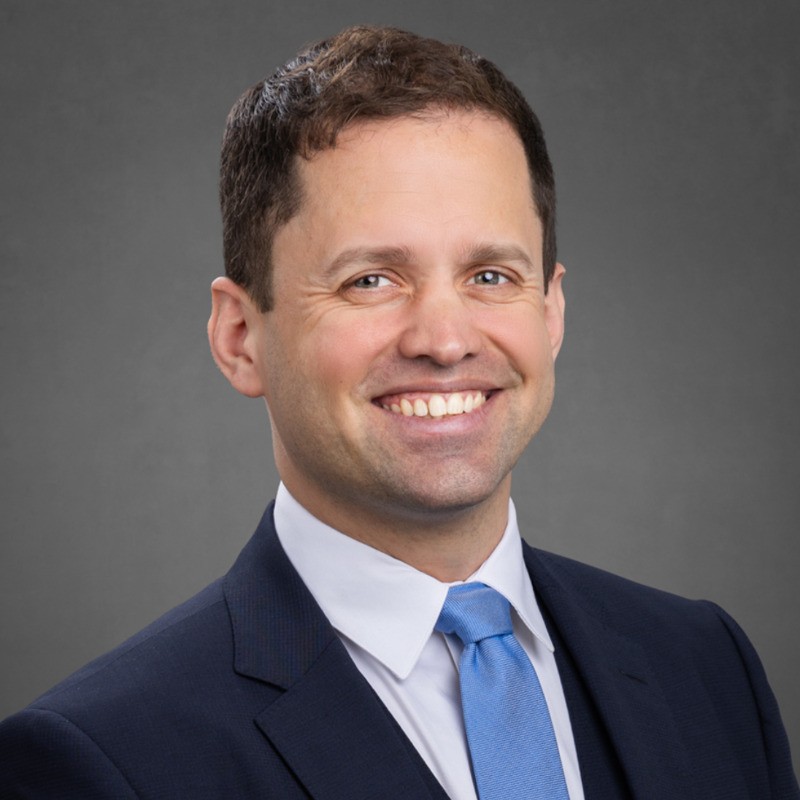
Kevin FinkelsteinWhat happens next
The first appearance
You'll be in front of a judge fast. The charge gets read, and the court decides if you go home and on what terms. That one decision shapes the months that follow, which is why it helps to have somebody there who already knows your situation.
The prosecution turns over its evidence
Body camera footage. Police reports, recorded calls, whatever the lab did, the names of witnesses. Somebody has to read all of it, line by line, and that reading is where most of the useful questions come from.
Motions and negotiation
Most cases get decided here, not at trial. Motions test how the evidence was gathered. What survives them sets the terms of every conversation with the DA afterward.
Trial, if that's the right path
Some cases should be tried. Others shouldn't, and the honest answer usually isn't clear until the evidence has been read and the motions have been heard. The choice is yours to make, and the job is making sure you make it against the real record instead of a guess about it.
Where these cases are heard
A case is heard where it happened. Not where you live, and not where the lawyer keeps an office.
New York City
Misdemeanors go to the criminal court in the borough. Felonies move up to supreme court in the same county.
- Manhattan
- Brooklyn
- Queens
- The Bronx
- Staten Island
North of the city
Outside the cities a case usually starts in a local city, town, or village justice court. A felony moves up to county court from there.
- Westchester
- Rockland
- Putnam
- Orange
- Dutchess
Kevin Finkelstein is licensed in New York and can appear in courts anywhere in New York State.
Where a case sits changes how it moves. The court is printed on the paperwork you were handed.
What to do tonight
- Don't talk about the case with anyone until you've talked to a lawyer. Not the police, not the other people involved, not in a text, not online.
- Jail calls are recorded and monitored. All of them. Assume somebody is listening, and keep the case off those calls completely.
- That's why the person on the outside should be the one making the calls.
- Write down what you remember while it's fresh, and hand that to the lawyer rather than to anybody else.
- The first appearance comes fast, and what happens there is hard to undo.
Federal cases are different
Federal is a different building with different people in it. A case from here usually lands in the Southern District of New York or the Eastern District of New York, where the prosecutors are assistant United States attorneys and the rules aren't the state rules.
And federal cases tend to announce themselves early. People often learn they're a target before anything has been filed at all, through a letter or agents at a door. That's the moment counsel matters most. There's more on the federal crimes page.
Who you'd be talking to
Kevin Finkelstein, J.D./LL.M., is the principal attorney of Finkelstein Criminal Defense PLLC. He's admitted in New York, and the office is on South Broadway in White Plains. There's more on the about page.
Matters outside the firm's areas of practice, or arising where its attorney is not admitted, may be referred to independent counsel in conformity with the New York Rules of Professional Conduct.
Common questions
Find out where they're being held. Write down anything you were told: the precinct, the charge, the name of any officer, the time they were picked up. Then call. Don't talk about what happened on a jail phone, because those calls are recorded and somebody is listening to them. And don't wait for morning. The first court appearance can come a lot sooner than you'd expect.
That happens constantly. Most people talk, usually because they think explaining it will make the problem go away, and then it doesn't. A case doesn't end there. Call sooner rather than later so the lawyer knows what was said before anyone builds on it, and don't spend the night deciding you've wrecked everything. You probably haven't.
The charge gets read and the court confirms you have a lawyer. Then comes the release decision, which is the part families actually care about, because that is what decides if you sleep at home while the case is pending. It's usually short. The work that makes it go well happens before you walk in: who you are, where you live, who depends on you, what keeps you in the same place.
A misdemeanor conviction is a criminal record. It surfaces in job applications, apartment applications, licensing, and anywhere else somebody runs your name. People underestimate that part. The call is free either way, so there's no cost to finding out what you're actually looking at.
Say so on the call. The first call is free, and if the firm is engaged, the fee arrangement is in writing before the representation starts. If hiring private counsel isn't the right move for your situation, you'll hear that plainly instead of a pitch. He doesn't take a case just to have taken it.
Yes. Kevin Finkelstein is admitted in New York and appears in courts across New York City and the counties north of it, and he can appear anywhere in New York State. Where the office sits has nothing to do with where a case can be handled. What matters is the court printed on your paperwork.
Yes, mostly in where it goes. A misdemeanor usually stays in the court where it started. Felonies move up, from a local court to the court that handles felonies for that county, and the case usually has to go in front of a grand jury before it moves forward. That extra stage takes time, and it's a place where the defense has choices. The exposure is bigger too. Early decisions matter more in a felony, not less.
Nothing. The first call is free and there's no obligation attached to it. If the firm is engaged after that, the fee arrangement is in writing before the representation starts.
Different track entirely. Federal cases are heard in the federal district courts and prosecuted by assistant United States attorneys, and both the procedure and the sentencing rules differ from state court. People often find out they're a subject or a target before anything has been filed, through a letter or agents at a door. That's the point to call, rather than waiting to see what happens next.
Before you call: have whatever paperwork you were handed, and if you can read the court and the date printed on it, so much the better. If you don't have any of that, call anyway. Nothing here is a prerequisite.